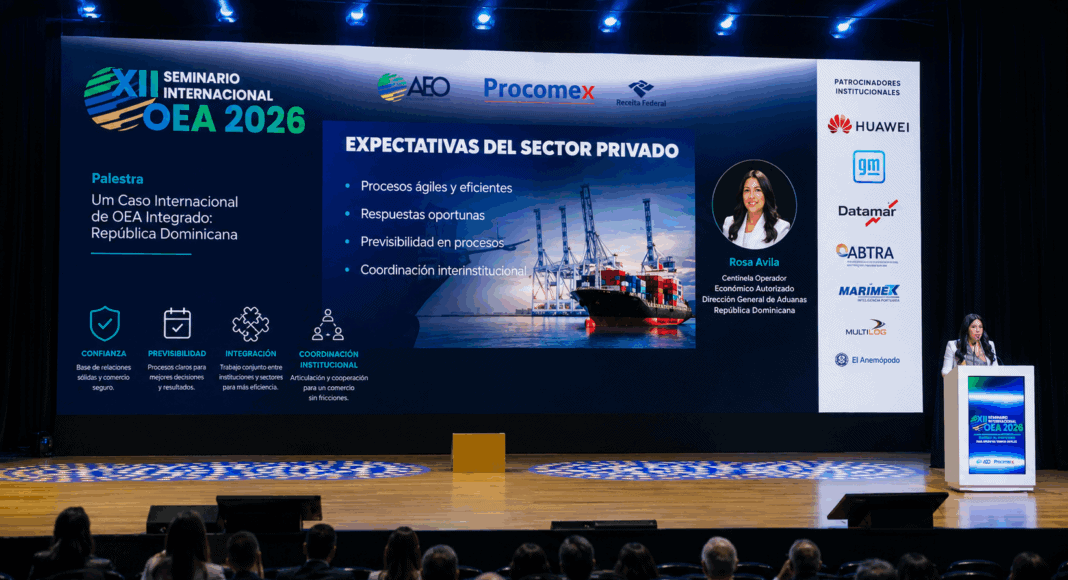

Business leaders, officials, and representatives from the logistics sector participated this Thursday, May 28, in the second and engaging day of the OAS 2026 International Seminar, held in São Paulo, where the experience of the Dominican Republic Customs stood out for its focus on institutional integration and public-private cooperation.
The exhibition was organized by Rosa Ávila, manager of the Authorized Economic Operator (AEO) program of the General Directorate of Customs of the Dominican Republic, specialist in logistics chain security and international auditor in ISO standards related to quality, safety and transparency.
As context, the Authorized Economic Operator program is an initiative promoted by the World Customs Organization (WCO) and adopted by its member countries in 2005 under the SAFE Framework of Standards, with the aim of strengthening security and facilitating international trade.
The scheme recognizes as reliable operators natural and legal persons that are part of the logistics chain and that, after a validation process, demonstrate security and compliance standards, thus gaining access to benefits that streamline their foreign trade operations.
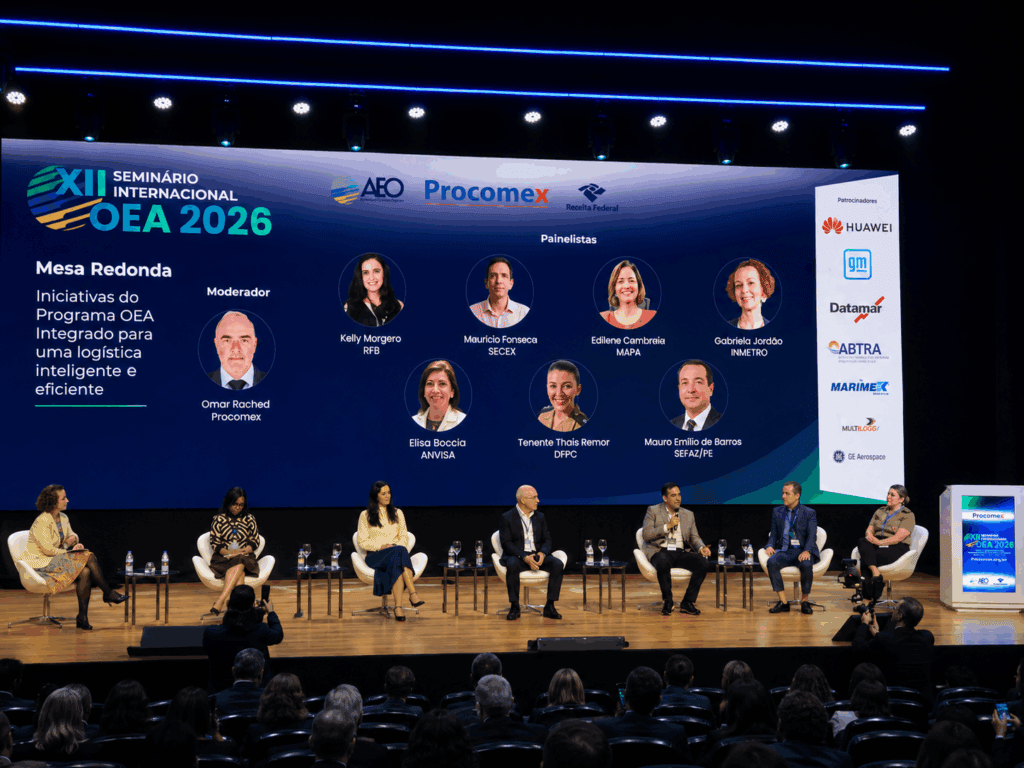
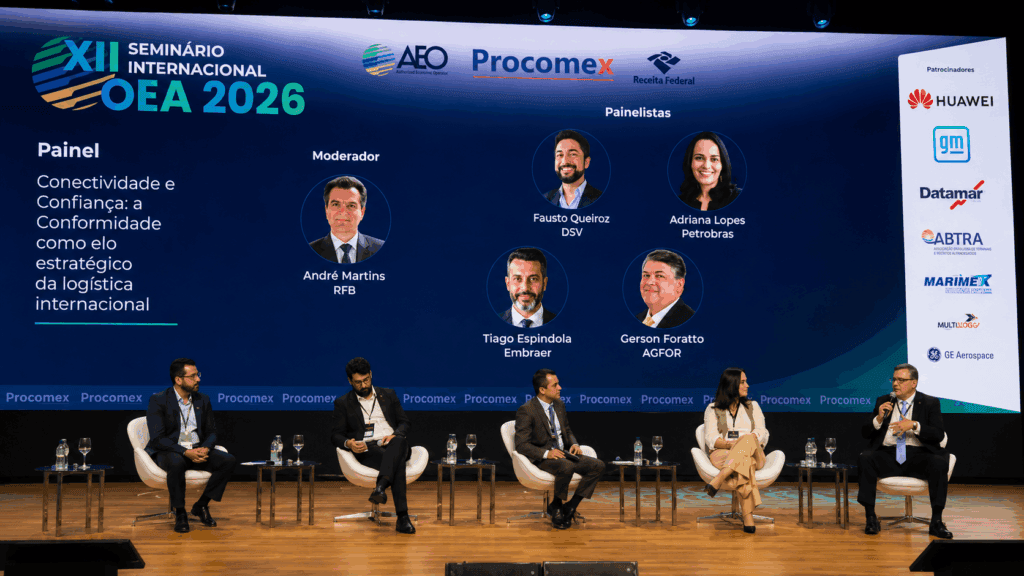
In that context, the OAS was one of the central themes of the second day of the OAS 2026 International Seminar. As I had anticipated in the Opening remarks by Fabiano Coelho, During the morning, the Brazilian experience promoted by the Federal Revenue Service was explored in depth, along with experiences from the private sector and the international presentation of the model developed by the Dominican Republic.
In the Dominican case, the AEO figure was established by Decree No. 144 of March 22, 2012, in line with the Trade Facilitation Agreement —especially in relation to article 7 on release and dispatch of goods— and in accordance with the standards established by the WCO SAFE Framework.
During her presentation, Rosa Ávila highlighted that one of the main lessons of the Dominican model is that the AEO transcends the strictly customs sphere and represents a tool for institutional transformation. “When we talk about integration and AEO programs, we are talking about much more than a customs program; we are talking about institutional evolution"Coordination between agencies, continuous improvement, and a balance between trade facilitation and control."
Along those lines, he emphasized that concepts such as trust, predictability, agility and integration are now part of a common language between the public and private sectors, forming the basis of the integrated OAS model.
The official also explained that companies demand agile processes, timely responses, and greater institutional coordination, since "the end user does not expect a fragmented process between institutions, but a complete, coherent, and predictable experience."
Inter-institutional coordination
From there, Ávila pointed out that one of the milestones of the Dominican process was the signing, in February of 2022 of an inter-institutional agreement that formalized the participation of different state agencies in the implementation of the AEO program. “We understood from the beginning that the program could not be developed solely from Customs.”
Currently, the scheme involves areas related to narcotics, airport security, agriculture, public health, the environment, and other instances of foreign trade control, consolidating a comprehensive approach to evaluation and validation.
Ávila acknowledged challenges related to coordination, response times, and technological differences between agencies, although he stressed that the Constant communication is key to sustain the system.
Results from the Dominican OAS
Ms. Ávila also presented specific data on the results achieved by the OAS program in the Dominican Republic, including a growth of more than 30% in the number of certified companies.
He also noted improvements in customs selectivity, with more than93% of the loads of AEO operators channeled through the green route, which allows for greater agility in foreign trade.
In terms of economic impact, he indicated that certified companies represent approximately 40% of imports and approximately the 39% of customs revenue of the Dominican Republic.
Currently, the Dominican Customs has 704 AEO certifications, of which 544 correspond to international certifications and 160 to the simplified modality.
This dual certification scheme allowed for greater private sector participation and the incorporation of SMEs to the system, functioning as a progressive gateway to the international standard.
The role of customs in coordinating affairs
Ms. Ávila also offered a thought that deserves attention: there is no single OAS model, as each country must adapt it to its institutional reality, capacities, and priorities. However, she highlighted common elements such as trust, coordination, information sharing, and joint risk management. In this context, she emphasized andThe role of customs as coordinators of the system: “There must be an institution that leads, drives and sets the course,” he claimed.
The specialist explained that the security of the logistics chain also includes guaranteeing the quality and integrity of the cargo throughout its international transit. As an example, she mentioned the incorporation of controls on wooden packaging in accordance with international phytosanitary standards, within the framework of bilateral mutual recognition agreements with the United States.
Towards the end of his presentation, Ávila maintained that facilitation and control are not opposing concepts, but rather complementary when managed properly. In that regard, he emphasized that the OAS also contributes to institutional strengthening and he emphasized: “Our operators expect a complete experience, not just the certification, but everything that happens before, during, and after the process".
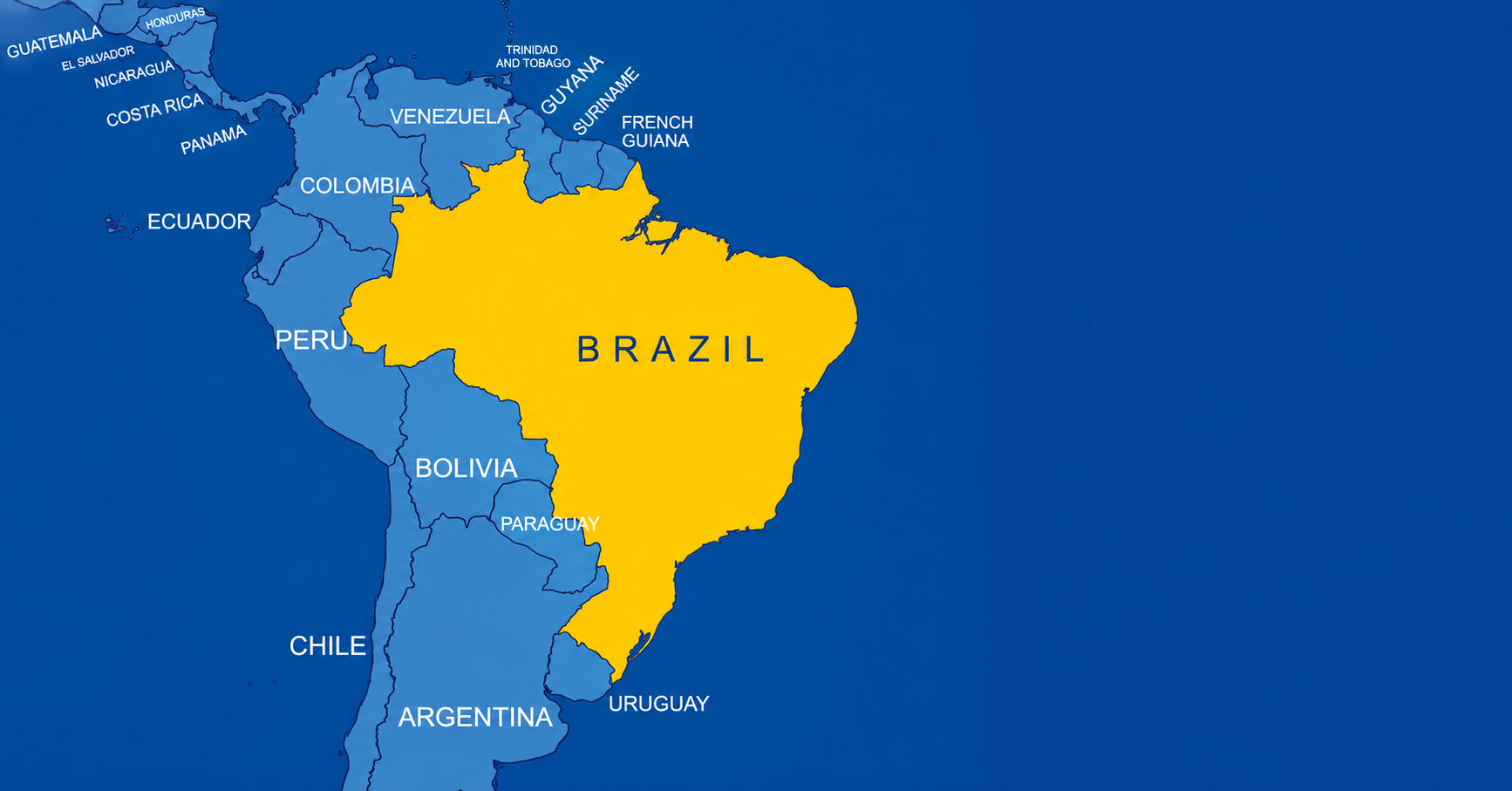
As part of its regional integration, the Central American country is part of the Mutual Recognition Agreement of the Authorized Economic Operator (ARM-OEA), which brings together the customs administrations of Argentina, Brazil, Bolivia, Chile, Colombia, Costa Rica, Guatemala, Paraguay, Peru, the Dominican Republic and Uruguay, and establishes the reciprocal recognition of their respective AEO programs.
It is significant that this agreement was signed four years ago in São Paulo, during the 2022 edition of the OAS International Seminar. This fact, of great importance for regional customs integration, also demonstrates the capacity of this meeting to promote cooperation and the dissemination of best practices, such as the experience presented this year by the Dominican Republic, whose «integrated model» sparked interest and offers valuable lessons for strengthening OAS programs in the region.

Aduana News is the first Argentine customs newspaper to launch its digital version. With 20 years of experience, its publications and initiatives aim to provide the most relevant knowledge on customs issues in order to contribute to safe trade in the region.