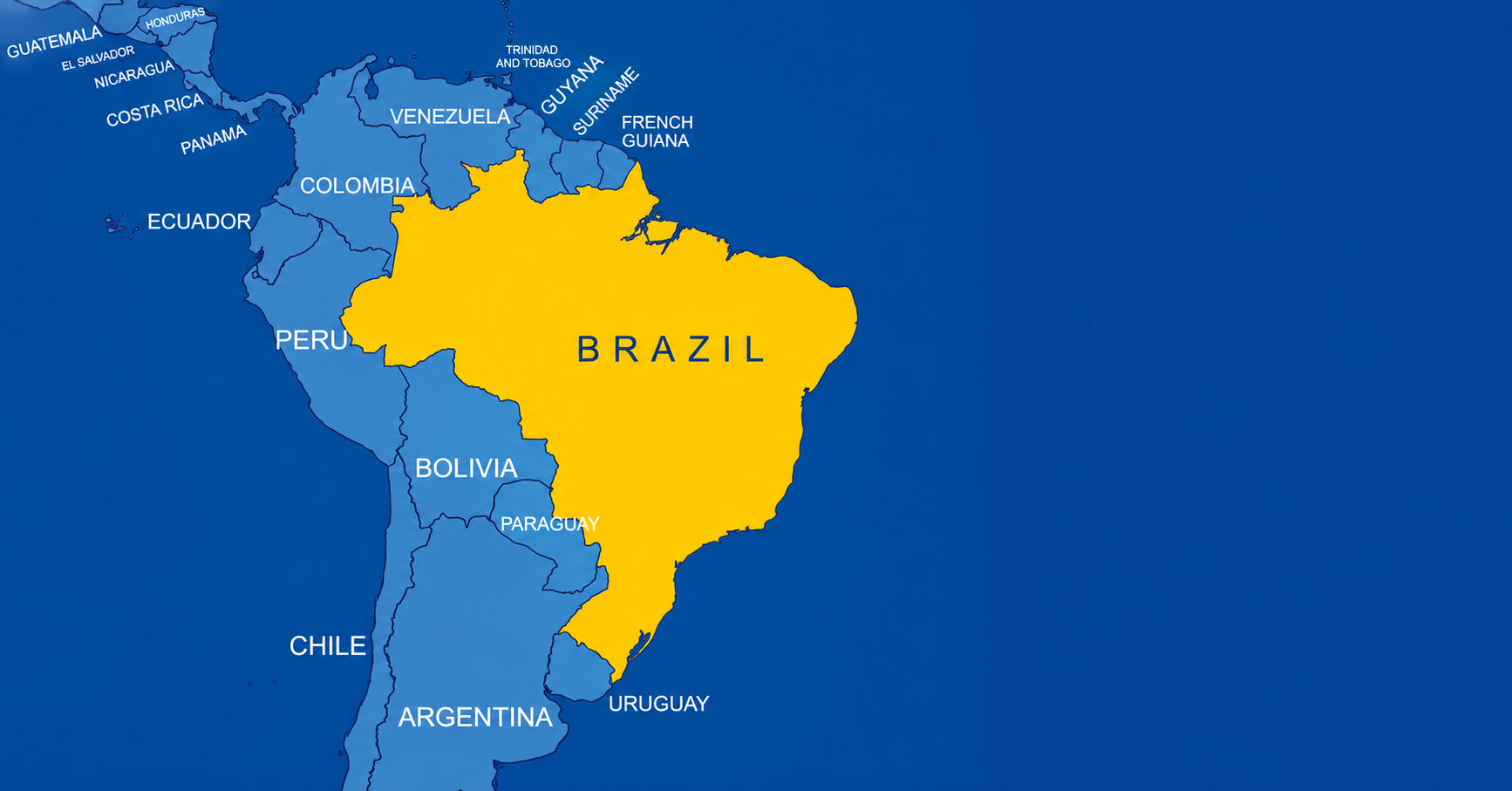
The World Conference on Origin of the World Customs Organization, co-organized by the National Customs Service of Chile, was held in Santiago, Chile on November 8 and 9.
The Conference was attended by a large number of experts from the WCO, WTO, UNCTAD, as well as public and private representatives from the Americas and the Caribbean, Africa, Asia and Europe.
During the sessions, the different integration processes were reviewed as they are negotiating and implementing the rules of origin, as well as the trends in relation to the necessary digitalization of the certificate of origin. An issue that is still pending in our region, although the efforts made by the Pacific Alliance and countries such as Uruguay, show the efforts that the region is making to implement a policy of paperless trading in this matter.
Another issue that was discussed was the approach to environmental care, and how some countries are integrating into the negotiation processes, rules on including requirements related to environmental care. This issue can be very positive, because in some way it will promote processes such as recycling and remanufacturing, normally vetoed as an operation that can grant the original character of a good. However, a strict approach, in relation to establishing certain criteria of origin related to environmental care, can be understood as a non-tariff barrier, just as many voices see the regulations that the European Union is currently discussing in its implementation regarding deforestation (1).
Another relevant issue discussed was how to create environments of trust with the private sector, given that ultimately the benefits established in trade agreements are intended to be achieved by exporters and importers. The difficulties that they encounter in the processes of certification of origin, as well as the verifications that the Customs Administrations carry out, constitute additional barriers when claiming tariff preferences.
And it is not about not applying controls, quite the opposite. It is about making them more efficient. However, the day-to-day work and the complexities inherent in the procedures can end up discouraging the application of trade agreements.
And here is a related issue, for example with the famous rule commonly known as “Direct Transit” or “Direct Transshipment”, which prescribes that when the original merchandise transits or is stored in a third country that is not part of the respective Agreement, it must be proven that it has not undergone any alteration or transformation process in the third country, except for those minimum operations for its conversation or loading or unloading. The problem with this rule lies in an evidentiary issue, and also in the fact that it is about proving a negative fact. How do I prove that the merchandise that transited or was stored in that third country did not undergo any transformation or alteration process?
The first agreements stipulated that it was necessary to take precautions against a document issued by the customs authorities of the third country, which in practice was impossible. Over time, in some agreements, or in the interpretation of customs, this requirement has been made more flexible, in order to prove this transit through other types of documentation, such as transport documents issued by the operators involved. However, this point, as well as the possibility of accepting certificates of origin with formal errors or copies different from the original, remains a wide area where legal uncertainty and discretion of the authority reign. Reducing these gaps must be a specific objective of negotiators and customs in the coming years.
What is the future of rules of origin?
There seems to be no doubt about the need to move towards digitalization, and leave behind formal, paper forms, signed in the original, among other requirements.
However, this modality does not ensure that the rules of origin become an issue of easy application, requiring a lot of training for public and private actors. SMEs deserve a separate issue, for which knowledge of the rules of origin can be a much more distant issue.
With all this, it is important to consider that behind the negotiation of the rules of origin, there is an issue that goes far beyond the fulfillment of certain formalities in customs. They are an instrument of the commercial policy of each country, and even when inserted in a process of commercial integration, in the current times there seems to be a noticeable complexity of them. And then, compliance with them becomes more difficult, and requires the intervention of specialists, which entails additional costs. Hence, thinking about the application of a trade agreement can become a headache that requires experts to successfully achieve the zero tariff at the end of the road.
But at the same time, origin verification processes are becoming more stringent in many regions and countries. Indeed, some customs administrations are becoming stricter in complying with certain formal requirements that ultimately frustrate the achievement of tariff preferences.
So, we ask ourselves, what is the way forward? We have already said it, digitalisation, but also trying to move towards standardised rules of origin, at least regionally. Working towards a certain regulatory convergence, so that the rules of origin do not end up becoming a barrier. “non-tariff”, If we could say so. At this point it is worth noting that while the rules of origin, as we have already said, are an instrument of trade policy, which will vary depending on the economic sensitivities of each country, the requirements relating to certification and verification of origin are another matter.
For now, the most important challenge seems to be to move towards digital and harmonized certification processes, a simple customs verification process with a high level of legal certainty, which allows exporters and importers to effectively and simply achieve the tariff preferences provided for in trade agreements.
1. Regulation (EU) 2023/1115 of the European Parliament and of the Council of 31 May 2023 on the placing on the Union market and the export from the Union of certain raw materials and products associated with deforestation and forest degradation, and repealing the
Regulation (EU) No 995/2010.

Lawyer, Master in International Law from the University of Heidelberg. He worked for almost 20 years in the Chilean Customs, holding various responsibilities. He is an accredited expert of the WCO and is a frequent arbitrator/panelist at the WTO. He is a professor at various universities and the author of various publications on customs and international trade. He is President of the Chilean Institute of International Trade, and is currently Director of Regulatory and Customs Affairs for DHL for Central and South America.