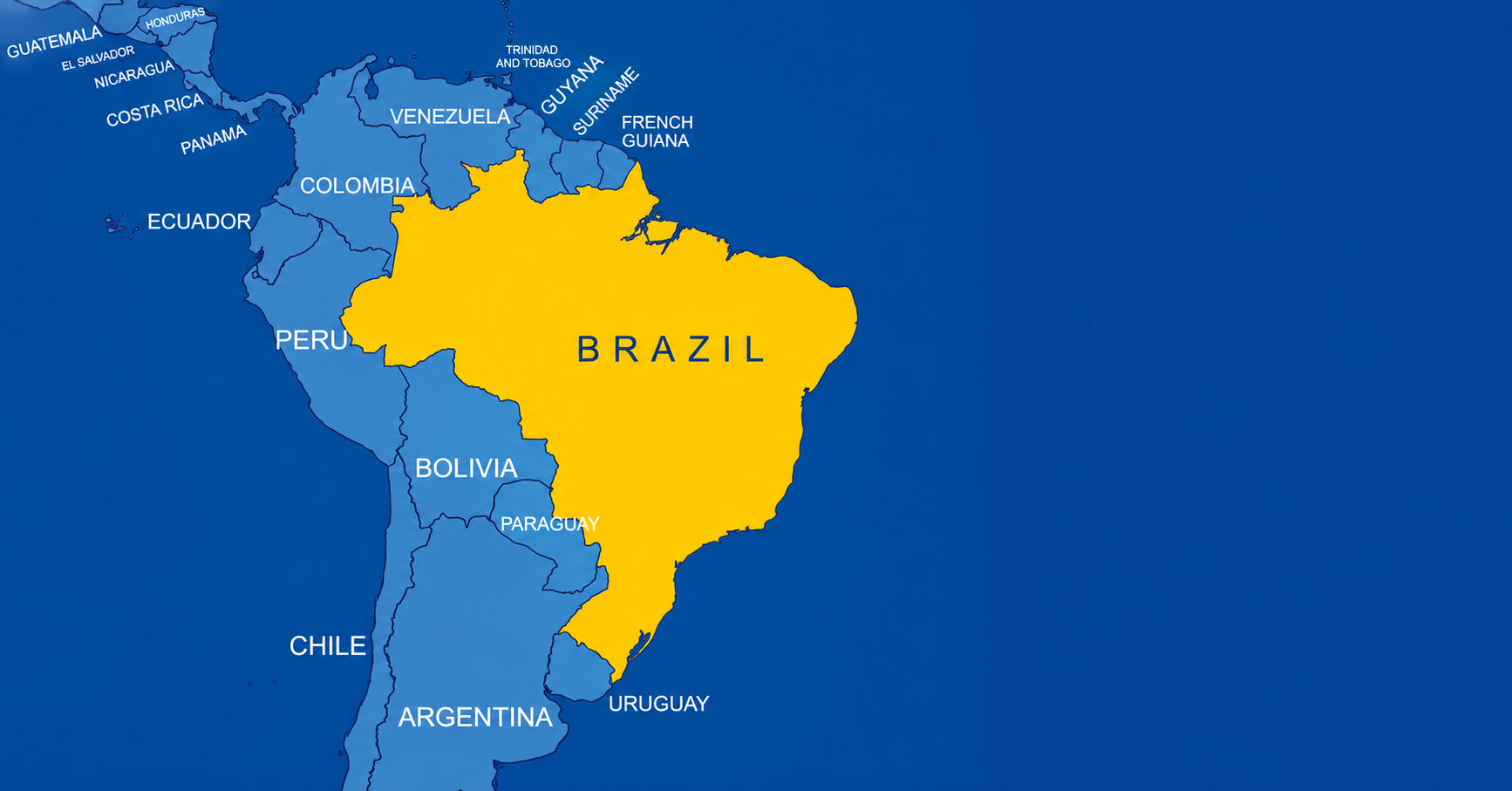

In the context of United Nations Day, celebrated on October 24, we spoke (*) with Tiuna De Benito Fernández, Regional Coordinator for Latin America of UNCTAD's ASYCUDA (Automated System for Customs Data) Program, an initiative that promotes the modernization of customs procedures in developing countries.
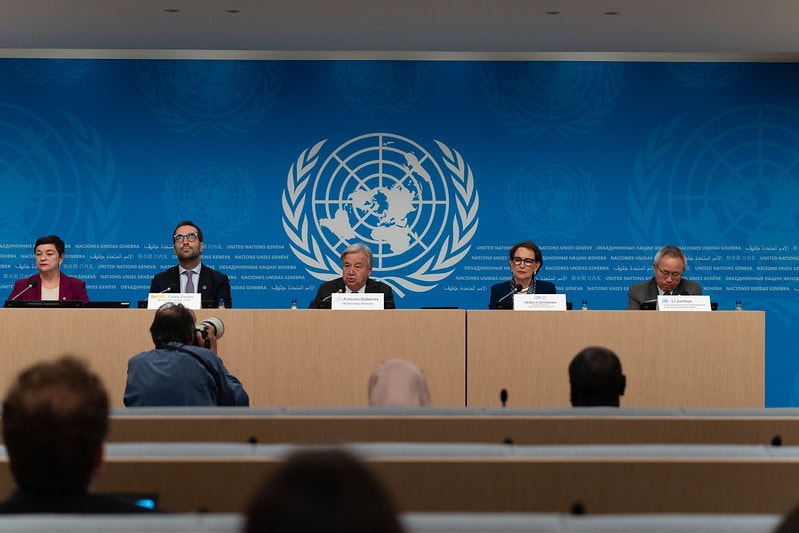
As noted by the UN Secretary General António Guterres, “Development is not automatic; it requires deliberate action, policies and investments that enable all countries to participate and prosper,” stressing the importance of strong institutions and technology that promote fairer and more efficient trade. In line with this, UNCTAD Secretary-General Rebeca Grynspan, stressed during the organization's sixteenth conference the urgent need to continue shaping the future of developing countries.
In this context, Tiuna De Benito Fernández shares her vision of the role of the ASYCUDA Program in the digital transformation of customs, in line with Article 10.4 of the WTO Trade Facilitation Agreement, to which our countries are party or have acceded.
Question: In the context of United Nations Day, how would you describe UNCTAD's contribution to trade facilitation in developing countries, and what relevance does ASYCUDA have for Latin American countries?
Tiuna De Benito Fernández: UNCTAD (United Nations Conference on Trade and Development) makes a significant contribution to trade facilitation in developing countries by promoting policies that drive integration into global trade, modernizing trade infrastructure, and supporting the implementation of technological solutions that reduce trade barriers and logistics costs.
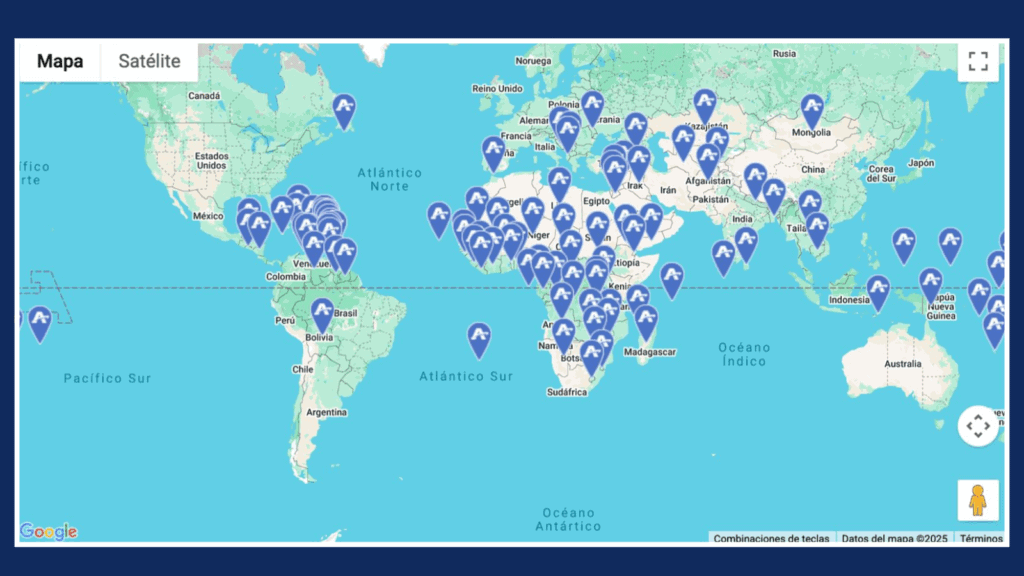
In this context, ASYCUDA —known in the region as SYDUNEA (“Automated Customs System”)—has become “a cornerstone” of the organization, as UNCTAD Deputy Secretary-General Pedro Manuel Moreno highlighted at UNCTAD 16. Currently, the platform has hundreds of member countries and has evolved over 40 years, advancing from version 2.1 to more modern versions that reflect the experience accumulated in different countries at different levels of economic development. In other words, ASYCUDA enables the automation of import and export processes tailored to diverse economies: from countries with high-volume export industries, such as Bangladesh, where half a million export declarations are processed daily, to island economies in the Caribbean and other regions of Asia and Africa, with the exception of Cuba and some Pacific islands.
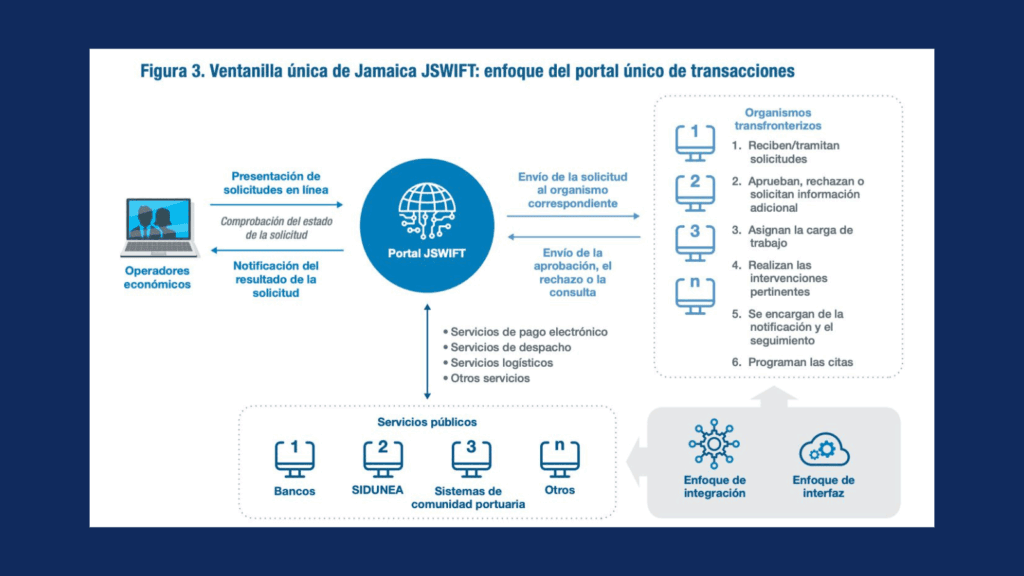
One of its most relevant extensions is the implementation of the single window, a facilitation tool that integrates peripheral or para-customs public agencies into the approval processes for permits prior to or following the arrival of cargo. This simplifies and digitalizes international trade in a secure and efficient manner.
In addition, UNCTAD, in cooperation with the WCO, has developed platforms such as ASYHUB, that integrate the processes port-customs and airport-customs. Within this framework, ASYHUB EXPRESS manages air cargo, while ASYHUB UNIVERSAL (in cooperation with UPU) addresses the growing phenomenon of e-commerce, what Ana Hinojosa called the "package tsunami," whose volume has grown by more than 40% from 2024 to 2025.
In this context, Customs not only processes data, but participates in an integral process This goes beyond automation. The goal is not simply to create systems, but to facilitate trade efficiently and securely. As I mentioned at a recent conference in Manzanillo, Mexico, many believe that artificial intelligence will automatically solve tasks like tariff classification, but the reality is that there are numerous elements that AI cannot yet determine on its own. Therefore, in the ASYCUDA Program, we are focused on developing these tools, while also alerting countries to the issue. Thanks to its modularity and open source, the system adapts to different national environments.
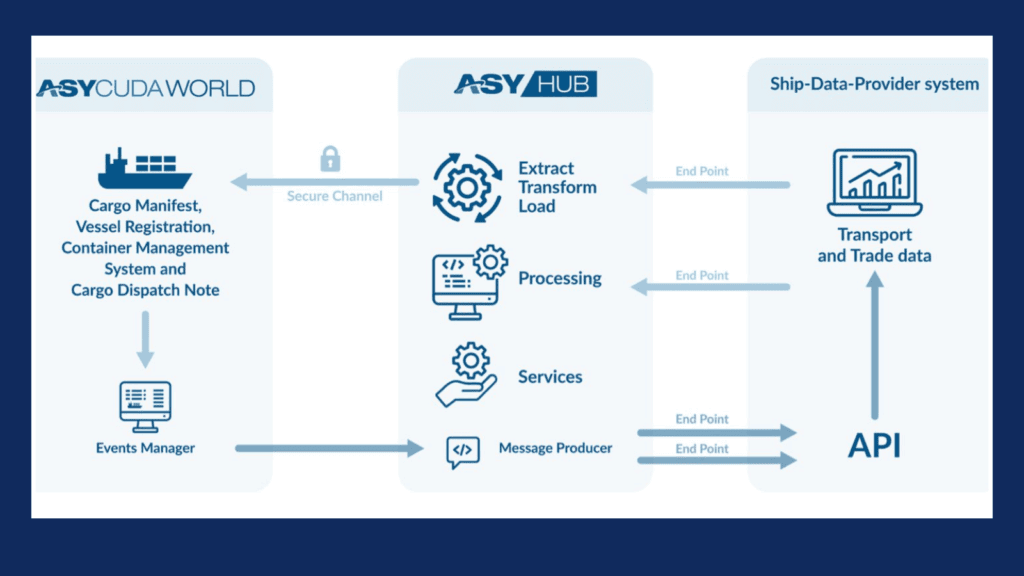
Q. What role does ASYCUDA play in the modernization and digitalization of customs processes, and how does it contribute to interoperability with national or regional single windows?
Tiuna De Benito Fernández: The ASYCUDA Program plays a crucial role in the modernization and digitalization of customs processes by systematize and automate procedures, optimize data management and reduce both transaction times and costs, promoting more efficient, secure, and transparent trade.
When implementing ASYCUDA in a country, we carry out a reengineering of institutional processes This has a direct impact on customs efficiency and the reduction of bureaucratic steps. For example, we have seen cases where a simple import procedure involved 237 steps, but with the implementation of the system, it was reduced to five. This is possible thanks to the systematization and integration of a one-stop shop, which avoids redundancies and allows processes to be managed with advance information.
Data integration avoids duplication and allows operations to be previously submitted to the risk controls that customs considers. It is even possible to manage the advance payment of duties and taxes, including VAT and specific taxes (applied to alcohol and cigarettes), which makes benefits the national economy through revenue collection.
This approach has not only driven digitalization and automation, but has also taken the experience beyond the classic notion of "paperless" to a new paradigm of Paperless Customs, in which information is managed efficiently and reliably, coming from a reliable and direct source.
Q. How many countries use ASYCUDA, and what do you see as the main benefits that explain its widespread adoption?
Tiuna De Benito Fernández: Currently, ASYCUDA is used in 103 countries around the world, in various versions adapted to their national contexts. Its widespread adoption is explained by its adaptability to different national contexts, its low cost, and the solid technical support of UNCTAD. Its main benefits include increased efficiency, control, and transparency in customs transactions, as well as a reduction in fraud and errors, protecting the country against the illegal trafficking of prohibited and restricted goods.
In the region, the countries supported by our Technology and Logistics Division include:
- South America: Bolivia, Venezuela, Guyana and Suriname.
- Central America: Honduras, El Salvador and Nicaragua (with Panama in talks).
- Caribbean Sea: 22 countries, with the exception of Cuba and the Dominican Republic.
The program's objective, based on the experience of diverse economies, is to lay the groundwork for a standard version of ASYCUDA that complies with the WCO data model, allowing countries to speak the same code and comply with international standards established by trade-related organizations.
Additionally, since its creation in 1981, the system was designed to manage customs statistics and was initially implemented in Africa. Over the years, it has evolved to include those that, while not using ASYCUDA directly, integrate through ASYHUB for express shipping.
Q: How has ASYCUDA impacted customs operations, and can you share specific examples?
Tiuna De Benito Fernández: From my experience, the implementation of the ASYCUDA system has profoundly transformed customs management in Latin America, improving the efficiency, transparency and security of operations.
The digitalization of processes has drastically reduced dispatch times, going from several days to just hours. For example, in Jamaica, Trinidad and Tobago, and El Salvador, cargo release was shortened from five days to six hours, significantly reducing logistical and financial costs for operators.
Early access to reliable cargo data enables more accurate risk analysis, optimizing border management and reducing discretion. This increases transparency and strengthens the private sector's trust in the customs authority. ASYCUDA also facilitates the integration of special regimes, such as free trade zones, and interoperability with national, regional, and multilateral tariffs, including digital value declarations, as in the Andean Community. In the case of MERCOSUR, the infrastructure is prepared to incorporate these interoperability mechanisms, and in Central America, the DUCA (Single Central American Declaration) is transmitted electronically, in accordance with the provisions of SIECA. Meanwhile, in CARICOM, information is shared in an integrated and real-time manner, including electronic payments within a single process.
Q: How important is technical cooperation between UNCTAD and the WCO?
Tiuna De Benito Fernández: The signing of the Memorandum of Understanding between UNCTAD and the World Customs Organization (WCO) is of great importance, as it strengthens international cooperation to develop and promote integrated digital solutions, aimed at the interoperability and harmonization of customs systems at a global level.
The agreement signed in 2013 is complemented by strategic agreements with the IMO, ICAO, and IATA (2014-2015), consolidating a technical cooperation network covering all modes of transport and the various international trade environments. Furthermore, in 2015, UNCTAD and the UPU signed an agreement to facilitate the electronic exchange of customs information between postal operators and customs administrations, extended until 31 December 2029, ensuring the continuity of international collaboration.
Also relevant is the agreement with CITES, aimed at controlling the trade of endangered species of flora and fauna, which allows for the integration of specific modules within ASYCUDA to ensure traceability and regulatory compliance in these cases.
Another notable development is the ASYREC humanitarian aid module, which facilitates customs management in emergency situations resulting from natural phenomena. Through this module, authorities can pre-establish procedures and response times to ensure the immediate arrival of assistance.
Similarly, the system incorporates the ASYPM tool, which offers a situation room for real-time monitoring of transaction traceability. This feature allows for the generation of statistics and projections, providing information on foreign trade, essential for economic planning. It also facilitates the geographic identification of products by designation of origin, strengthening data management in international trade.
Q: Based on your experience of more than 30 years, what do you consider to be the main challenges in driving the digital transformation of customs and ensuring interoperability between systems in Latin America?
Tiuna De Benítez Fernández: From my experience, the main challenges to advance the digital transformation of customs in Latin America are related to thethe technological gap, the lack of infrastructure in some countries and the need to strengthen human and technical capacitiesFurthermore, interoperability between different systems and data protection continue to be aspects that require coordinated and sustained efforts.
The main lesson learned from this process is that information can be integrated linearly, vertically, and horizontally, allowing for data consolidation across all processes and stakeholders. This digitalization—from start to finish—helps avoid deviations and ensures greater control and traceability in customs operations.
The objective is to move towards a model of e-government applied to customs, where all related agencies interact through a single window. A notable example is Rwanda, recognized by the World Customs Organization (WCO). as the best single window in the world, which managed to integrate 19 government agencies into a single customs process.
In the American sphere, similar advances are observed in Jamaica, Barbados and El SalvadorThis entire process is linked to the trend toward digital identity, which reinforces the importance of data security.
Q: Finally, what message would you like to convey about the importance of international cooperation in these historic times?
Tiuna De Benito Fernández: The value of international cooperation, especially in these historic times, lies in the combined efforts to build more inclusive, efficient, and transparent systems that drive economic growth, reduce poverty, and foster the global integration of developing countries.
As United Nations Secretary-General António Guterres and UNCTAD Secretary-General Rebeca Grynspan have pointed out, the name of our organization clearly expresses it: trade and development. History shows that there is no development without trade, and the current context—marked by tensions such as the tariff war between the United States and China—demonstrates how tariffs can be used as both protective and facilitating tools.
Diverse realities coexist in the region. Countries like Brazil, with a complex customs structure that includes nearly 80 taxes, present particular challenges. However, at the United Nations and UNCTAD—whose members are also part of the WCO—our commitment is to support all countries in improving their operational capacity in international trade, strengthening competitiveness, infrastructure, and logistics. This approach has a direct social impact, generating more opportunities for people and contributing to sustainable development.
(*) Conversation by María Elsa Coronel all with Customs NewsSpecial thanks to Dr. Héctor Juárez for facilitating the contact and to Dr. Tiuna De Benito Fernández for generously sharing her knowledge and experience.
◾Having said all of the above, for those who wish to delve deeper into the subject, the following readings are recommended:
- Roadmap for the creation of a one-stop shop for trade — Transport and Trade Facilitation Series No. 21 (UNCTAD/DTL/ASYCUDA/2023/2).
- Official website of the ASYCUDA Program: https://asycuda.org/en/ | https://www.asyhub.org/

Aduana News is the first Argentine customs newspaper to launch its digital version. With 20 years of experience, its publications and initiatives aim to provide the most relevant knowledge on customs issues in order to contribute to safe trade in the region.