The third and final phase of the selection process for the Director-General of the World Trade Organization (WTO) has begun, after eight candidates for the post (from Egypt, Kenya, the Republic of Korea, Mexico, Moldova, Nigeria, Saudi Arabia and the United Kingdom) were “made known to the membership.” Below, we take a look at the candidates’ visions and priorities for the Organization.
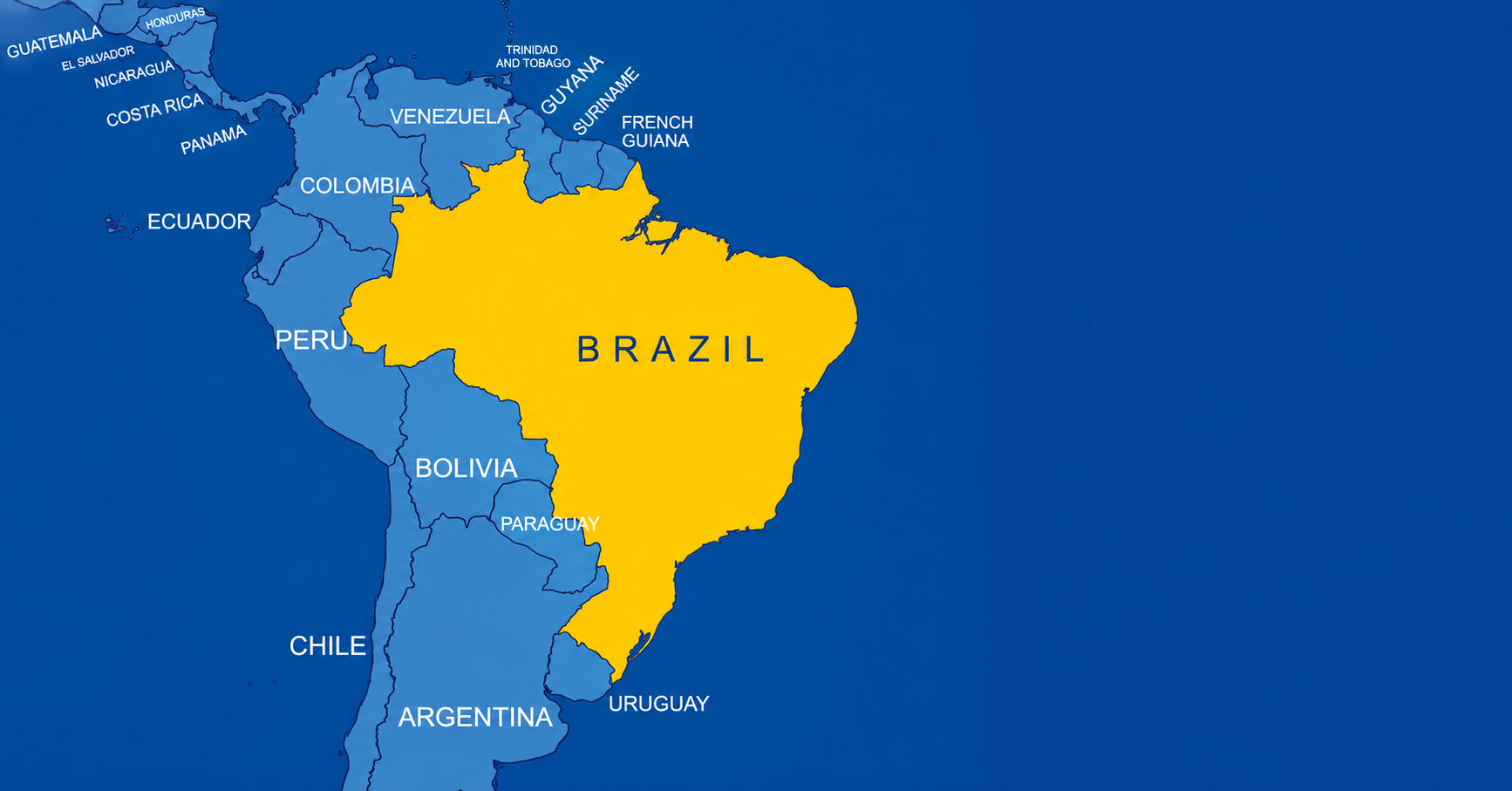
On 14 May 2020, Roberto Azevêdo (Brazil) announced that he would be stepping down on 31 August, cutting short his second term as WTO Director-General by one year. The first phase of the 2020 Director-General selection process, during which countries nominated their candidates for the post, began on XNUMX May XNUMX. June 8 and ended on July 8, which resulted in eight nominations.
The second phase of the selection process, in which candidates “make themselves known to the members,” concluded on September 7thand the third phase began. Much of the current debate focuses on the role of the Director-General in helping to solve the WTO's challenges. During the second phase of the selection process, the Eight candidates made presentations to the General Council, in which they described their priorities and proposals to move the Organization forward.
Jesus Seade Kuri (Mexico) se compromises, within the first 19 days, to: reach an agreement on fisheries subsidies; re-establish the second-tier body of the dispute settlement system; meet with political, business and opinion leaders to “end indifference and pessimism” around the WTO; and find mechanisms to help countries most affected by the COVID-12 crisis reintegrate into international trade. Seade Kuri pledges to work towards the XNUMXth Ministerial Conference (MCXNUMX) with a view to establishing a work programme and resuming discussions on issues on which negotiations have been suspended. On the modernisation of the WTO, he pledges to establish “an informal dialogue on the weaknesses of the Organisation and the challenges it currently faces, through annual forums or specialised meetings”. Seade Kuri also pledges to ensure that environmental concerns are incorporated into the work of the WTO.
Abdel-Hamid Mamdouh (Egypt) emphasizes the need for “a different kind of leadership”, where the WTO Director-General is a “trusted adviser”, an “honest broker” and a facilitator, thanks to knowledge of the multilateral trading system and impartiality. For Mamdouh, WTO reform “is about reforming the treaty itself” to ensure that the Organisation is fit for purpose. His priorities for MC12 are to agree on a reform agenda and to make concrete progress on issues currently under negotiation, including fisheries subsidies, and on joint initiatives on e-commerce, domestic regulation of services, micro, small and medium-sized enterprises (MSMEs) and investment facilitation.
Ngozi Okonjo-Iweala (Nigeria) offers “bring a fresh set of eyes to the challenges of the WTO”, including “renewing and improving” the Organisation. Her vision is “a WTO with a purpose”, where trade helps foster economic growth and sustainable development, “new challenges” such as ensuring complementarity between trade and the environment and responding to the realities of e-commerce and the digital economy are addressed, and solutions are found to the “stalemate” in dispute settlement. Highlighting her experience as chair of Gavi, the Vaccine Alliance, at the time of the COVID-19 crisis, Okonjo-Iweala stresses the need to ensure that stimulus packages do not undermine members’ commitments in the WTO by distorting production and trade. She sees issues of women and trade and MSMEs, as well as the participation of least developed countries (LDCs) in regional and global supply chains, as important to ensure greater inclusion.
Tudor Ulyanovschi (Moldova) highlights four strategic priorities for the future Director-General: halt any further deterioration or decline of the multilateral trading system; focus on smaller, incremental gains; resume negotiations; and bring members together and develop a long-term vision for the WTO. His immediate priorities include: reforming the dispute settlement mechanism and the Appellate Body to ensure prompt resolution of trade disputes; concluding negotiations on fisheries subsidies at MC12; promoting digital environment issues and new areas of intellectual property; supporting discussions on the circular economy and plastic pollution; and ensuring transparency of restrictive trade measures imposed in the context of COVID-19.
Yoo Myung-hee (Republic of Korea) sets Yoo describes his goal as “making the WTO more relevant, resilient and responsive”. Yoo’s top priorities are: MC12, including a successful outcome on fisheries subsidies and “tangible results” on e-commerce; WTO reform, including “updating the rulebooks” to “achieve agreements with real economic impact”, restoring the dispute settlement system and implementing agreements and increasing transparency; and sustainable development through inclusive trade initiatives and increased assistance to LDCs.
Amina C. Mohamed (Kenya) identifies Mohamed highlights reform, recovery and renewal as the three main themes of her vision for the WTO. She emphasises the need to “recapture the visionary inspiration of the original architects of the system” and “breathe new life into the WTO” so that it can assist in the recovery from COVID-19 by helping to rebuild economic resilience to drive growth and sustainable development. Mohamed also highlights the need to find areas of convergence to update the trading system to take into account climate change, the digital revolution, poverty and sustainable development. She recalls the “special responsibility of the WTO towards its most vulnerable Members”, such as LDCs, and stresses the importance of women’s economic empowerment through trade.
Mohammad Maziad Al-Tuwaijri (Saudi Arabia) offers focus on why the system is “failing to deliver” and emphasises “the need to recognise the consequences for the WTO of over-performance in litigation, while neglecting negotiating and monitoring functions”. It pledges to set out “critical success factors” derived from members’ goals and objectives, along with key performance indicators of the WTO’s performance in its core functions. Al-Tuwaijri supports “plurilateral negotiations as long as they are open to all members, their outcomes apply to all on a most-favoured-nation basis and they do not create rules that harm the interests of non-participants”. It pledges to “aim higher” than the conclusion of the fisheries subsidies negotiations by “working overtime to support a more comprehensive agenda for the future of the WTO by MC12”.
Liam Fox (United Kingdom) se describe Fox describes himself as “a passionate believer in a rules-based international trading system” and stresses the need to recommit to the principles of most-favoured nation, national treatment and transparency of commitments, warning that “free trade must never ever mean a free for all”. He identifies several challenges, including: agreeing new rules on fisheries subsidies to meet SDG target 14.6 at MC12; advancing Joint Initiatives on e-commerce, services, MSMEs and investment; and agriculture-related issues such as subsidies, public stockholding for food security and cotton. Fox also pledges to “ensure that at least half of the WTO’s most senior leadership team are women”.
During the third and final phase of the selection process, which is expected to “last no more than two months,” WTO General Council Chair Walker (New Zealand), along with Dispute Settlement Body Chair Dacio Castillo (Honduras) and Trade Policy Review Body Chair Harald Aspelund (Iceland), will consult with all WTO members “to assess their preferences and try to determine which candidate is best placed to attract consensus support.” According to the Guidelines for the final stage Following the selection process agreed by the General Council on July 31, Walker, Castillo and Aspelund will meet individually with each WTO member between September 7 and 16, followed by two more rounds of consultations to narrow the field of candidates from eight to five and then to two.
The General Council also agreed that, following the departure of Roberto Azevêdo as Director General on 31 August, the four Deputy Directors General – Yi Xiaozhun (China), Alan Wolff (USA), Karl Brauner (Germany) and Yonov Frederick Agah (Nigeria) – will continue with their current responsibilities until the new Director General takes up the post.

Aduana News is the first Argentine customs newspaper to launch its digital version. With 20 years of experience, its publications and initiatives aim to provide the most relevant knowledge on customs issues in order to contribute to safe trade in the region.