Synergy and coordination between regions, between countries within the region, between borders, between public and private sectors, between non-state organizations and decision-makers, between men and women, between all these actors together: this collaborative and integrative approach not only consolidates regional development, but also offers a model adaptable to other integration processes at a global level, demonstrating its validity and potential in different contexts.
This is highlighted in the recent report of the Inter-American Development Bank (IDB) entitled "Central American economic integration: resuming the negotiating dynamism«, prepared by Jorge Cornick and coordinated by Kathia Michalczewsky and Ricardo Rozemberg. The document analyses the progress of the integration process during the period 2021-2023 and the main developments recorded in the first half of 2024.
This is a global context marked by uncertainty – driven by accelerated technological change, geopolitical conflicts and the redefinition of economic policies – in which Central America has made progress through joint strategies that facilitate intraregional trade and strengthen cooperation between different actors.
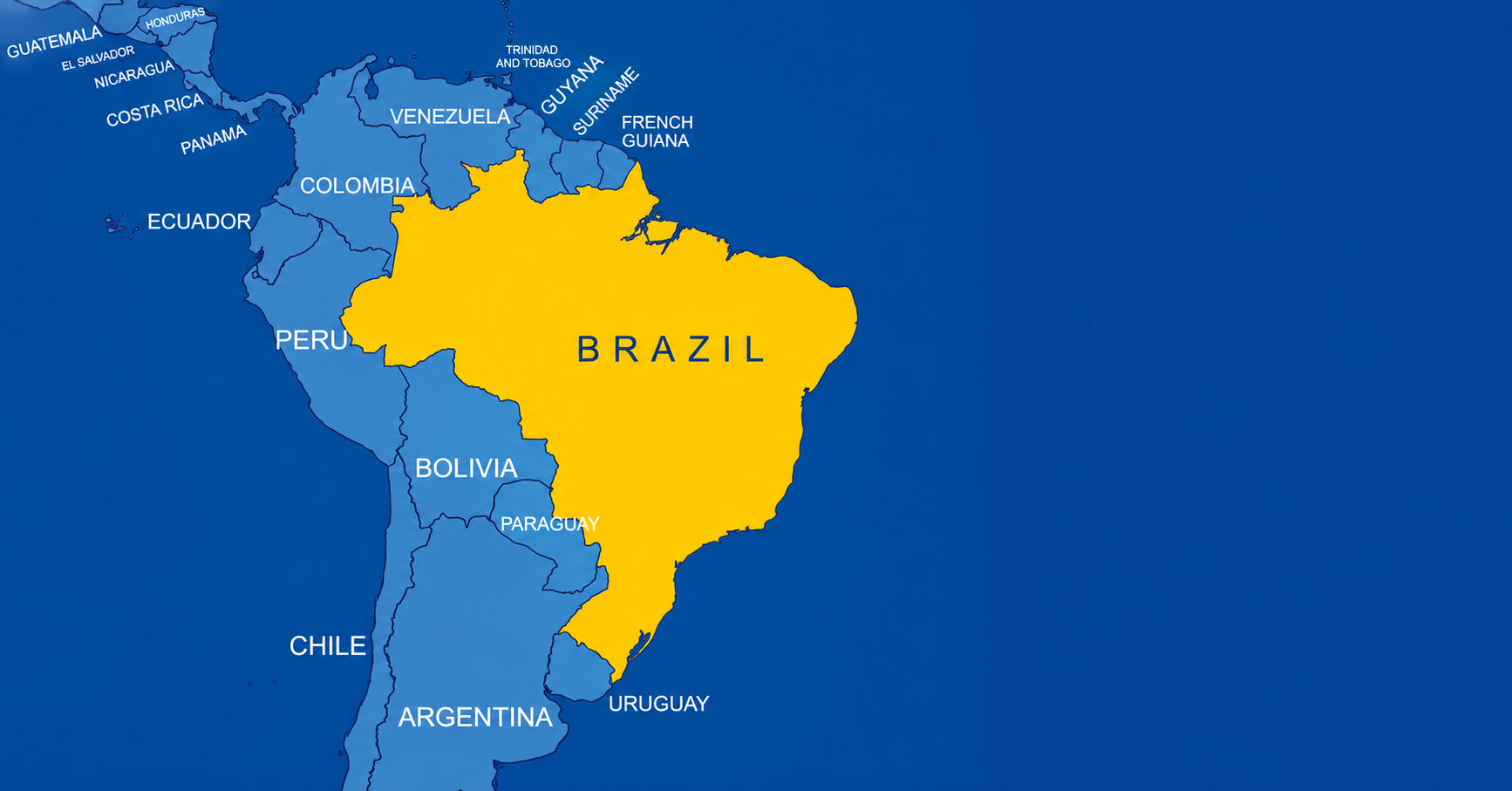
According to Fabrizio Opertti, Manager of the IDB's Integration and Trade Sector, "Central American integration has three characteristics that differentiate it from other similar schemes in the region: relatively significant intraregional trade, a high degree of economic openness, and a broad and robust network of trade agreements with extraregional nations and blocs." In addition, Opertti emphasizes that, in recent years, the six partner countries —Guatemala, El Salvador, Honduras, Nicaragua, Panama and Costa Rica— have made progress towards a common agenda.

In the report's foreword, Opertti stresses that since 2021, the "return of negotiating dynamism" has generated coordinated progress both in the "software" of integration (rules and policies to reduce trade costs such as trade facilitation, investment promotion and the use of digital technologies) and in the "hardware" (investments in physical and digital infrastructure).
One of the key initiatives in this context was the update of the Central American Strategy for Trade Facilitation and Competitiveness, with emphasis on Coordinated Border Management (ECFCC), concluded in December 2023. This model, based on the concept of coordinated border management developed by the World Customs Organization, proposed short, medium and long-term actions aimed at optimizing processes at border crossings and international trade. In the short term, it prioritized measures such as Advance declaration of goods, more agile immigration controls and electronic phytosanitary and zoosanitary certificates, in addition to the use of RFID devices and cameras at borders. In the medium and long term, it focused on the adoption of international standards, data interoperability, comprehensive risk management, certification of reliable operators, integration of procedures, infrastructure and quarantine control, along with the security and development of border communities. These actions were supported by transversal axes such as Central American Digital Trade Platform (PDCC), implementation by country pairs and borders, and strengthening of National Trade Facilitation Committees.
Specifically, this update has promoted the creation of regulations and tools to simplify import, export, transit and transport processes in the region. A tangible example of this, in early 2024, was the inauguration of the Canoas Border Crossing between Panama and Costa Rica as part of the Border Integration Program. The IDB highlights this project as “a step forward that highlights the importance of decisive political action and long-term vision for the progress of integration.”
Additionally, the Northern Triangle countries have achieved significant milestones within the framework of Deep Integration, such as the inauguration of the first integrated border post (PFI) in El Amatillo, between Honduras and El Salvador. At the same time, they have made progress in modernizing —or are in the process of doing so— the border posts between Nicaragua and Costa Rica, as well as between Costa Rica and Panama. Added to these efforts are the implementation and financing mechanisms of the Regional Master Plan for Mobility and Logistics, a fundamental tool for optimizing trade and transport flows in the region, addressing one of the most obvious challenges on the road to more effective integration.
According to researchers, it is no coincidence that countries where the regional market has greater weight have made faster progress in economic integration. Some data are as follows: while in 2023 Panama's exports to Central America represented only 3% of its total, in El Salvador, Guatemala and Honduras this percentage was 49%, 38% and 24%, respectively, highlighting the greater importance of intraregional trade for these countries.
One of the determining factors for these achievements has been the ability of countries to find points of convergence despite existing heterogeneities. In this sense, The IDB document shows that economic interdependence acts as a driving force for integrative development, while highlighting that “Political will plays an essential role in accelerating and deepening the regional integration process.".
By the end of 2024, Latin America and the Caribbean have a clear opportunity to take advantage of the documents on initiatives that stand out for their focus on regulatory convergence, synergy and coordination, as well as on strengthening international trade. This context is framed in a scenario of broad support for integration regional in all countries in the region, which reinforces their potential to advance towards greater trade cohesion.
Download the Valid identity document in PDF

Aduana News is the first Argentine customs newspaper to launch its digital version. With 20 years of experience, its publications and initiatives aim to provide the most relevant knowledge on customs issues in order to contribute to safe trade in the region.