This is how Deputy Bernardo Biella Calvet presented himself during an interview in which he presented a view of the government's economic and foreign trade policy, its impact on health and the brand new MERCOSUR CUSTOMS CODE, among other topics.
AN: What do you think about the fact that after so many years, MERCOSUR has managed to have a CUSTOMS CODE?
The Mercosur Code is an important step in the framework of the true objective of the creation of the Common Market of the South and perhaps it will help to return to its essence, moving away from the use of this customs association as an external exhibition for internal campaigning. MERCOSUR must be treated as a STATE POLICY and be supported by a TECHNICAL framework in pursuit of a genuine customs integration and not merely fanciful at the time of its application.
AN: You mention that it is essential to assess the technical treatment, what do you mean by that?
It is simply essential that there be a real customs unification, and although MERCOSUR had its essence in such an order at the time of its creation, it is true that there have been permanent differences in this regard with its partners and the Argentine Republic, but it still does not respect certain aspects that come from the Treaty of Asunción. In this sense, the text of a MERCOSUR CUSTOMS CODE will be of no use if, at the time of becoming law, there continue to be substantial differences with its partners and violations of the Asunción Agreement itself in customs matters, which gave rise to the creation of MERCOSUR.
AN: What comments can you make about Venezuela's entry into MERCOSUR and the treatment given to Paraguay?
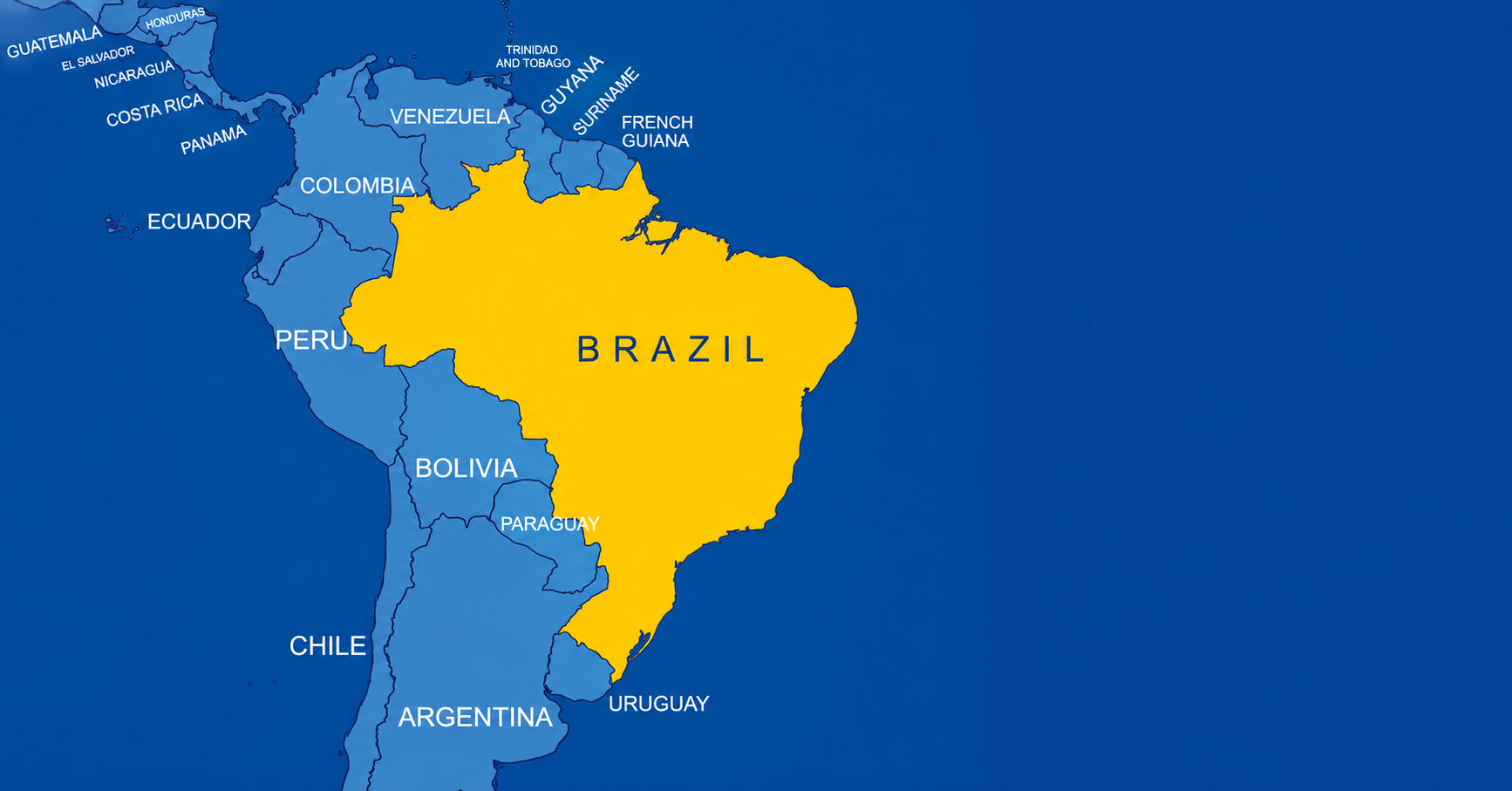
Raúl Alfonsín's dream when he promoted the Common Market of the South (MERCOSUR) was not only to achieve economic integration of countries but also cultural, political and monetary integration so that we can build an integrated region among all countries that synergistically complements each other in all areas. "A Great Homeland." Today, far from being a complement, Argentina depends almost exclusively on Brazil and the barriers are increasingly greater to the point that bilateral relations have deteriorated on several occasions due to asymmetries. The entry of Venezuela and the exclusion of Paraguay have a clearly political background. According to the founding terms of Mercosur, it has failed and the parliament of the common market of the south has become a totally useless and devoid of management.
AN: What is your opinion on Argentina's economic and trade policy?
The economic program implemented by Lavagna allowed Argentina to achieve, after decades, twin surpluses, that is, primary surpluses (tax collection greater than public spending) and a positive trade balance. This fact is mainly based on the great opportunity provided by the installed and technological capacity of the agro-export sector and the high international prices of grains. Unfortunately, the lack of a government program led to the squandering of resources, putting active social policy in real danger. Improvisation in terms of legal security, monetary and exchange rate policy currently implies inflation that negatively feeds back into macroeconomic variables and therefore affects growth.
Improvisation also affects foreign trade. Permanent obstacles as well as changes in rules and regulations necessarily imply disinvestment in strategic sectors. The exchange rate restrictions affected the real estate sector and therefore the construction sector. Today I dare to propose: what if we appoint a Minister of Economy?
AN: How is Argentina currently able to meet its own health needs, given the policy of closing imports?
A wide variety of diseases and pathologies are treated almost exclusively with imported medicines and equipment. In health, as in other sectors, state policies have not been implemented, nor have there been sufficient investments to sustain the System. For this reason, we depend largely on imports, with complicated procedures from the moment they enter the country until they reach the intended patients. Often, this puts lives at risk. For this reason, we are presenting a project so that patients can pick up medicines from abroad at the customs office closest to their residence. The government must review the customs restrictions on medical equipment and medicines, since it severely endangers the health of the affected population.
AN: Regarding domestic trade, what can you tell us about the price differential between the provinces and the nation, specifically what you observe in the province you represent?
In relation to price variations, it is observed that the values obtained in the provincial measurements greatly exceed those of the INDEC. This is because the consumer price index in the provinces is measured without interference or "drawings." For this reason, several provinces stopped measuring the CPI, pressured by the national government. The greatest variations are observed in basic basket products, which complicates the situation of households with a fixed income. Inflation is, therefore, the largest factory of poor and destitute people that exists. In medical terms we could say that the national government, by not taking the symptoms of the inflationary disease seriously, does not apply the appropriate remedies and therefore has caused an endemic or pandemic that puts the rest of the economic achievements at risk.
AN: Recently, the PEN introduced an initiative regarding the audiovisual industry as an alternative to boost exports. What is your vision?
I find the project interesting. All initiatives that imply genuine economic growth based on the production of goods and services with added value for local consumption and import are positive. We will have to see that it is not another bullet train, another announcement like so many others, and that it is properly implemented.
AN: What are your priority proposals as a National Deputy?
Through the committees that I am part of, I can point out: In the communications area, that the cell phone service be a public service with the corresponding regulations protecting users from abuses by the providers. In the health area, there are many, always defending life from its conception and ensuring that Argentines not only live longer but also better. In education, starting with the inclusion in school curricula of key topics such as responsible sexual education, road safety education, first aid for cardiorespiratory problems. From the drug addiction committee, proposing that it be understood that drugs make people sick and therefore require adequate medical treatment from the state.
I have more than 100 projects submitted that can be consulted on the congress website and I invite you not only to do so, but to give your opinion and contribute observations and topics for a better fulfillment of our duty to the citizens, given that our work is the duty to the population and its needs, safeguarding its rights, guarantees and requirements.

Aduana News is the first Argentine customs newspaper to launch its digital version. With 20 years of experience, its publications and initiatives aim to provide the most relevant knowledge on customs issues in order to contribute to safe trade in the region.