
The Organisation for Economic Co-operation and Development (OECD) presented the Index of Digital Trade Integration and Openness (INDIGO), a tool that assesses the degree of openness and integration of digital commerce in 193 countries between 2000 and 2024The index, which ranges from 0 (no digital integration) to 1 (full integration), measures both the breadth and depth of international discussions and commitments on the subject.
The INDIGO is composed of two dimensions:
- INDIGO-i: instruments non-commercial, such as debates in multilateral forums (UN, OECD, APEC) on privacy, cybersecurity and artificial intelligence.
- INDIGO-t: instruments Agreements, including WTO agreements, regional treaties (RTAs) and digital economy agreements (DEAs).
The index covers 28 thematic areas grouped in five large blocks: enabling e-commerce, digital openness, transaction trust, cross-border data flows, and broad digital economy topics.
Current state and potential of global digital commerce
Global digital commerce is still in its early stages, reaching only 8,5% of full digital integration and opennessAmong the most relevant findings:
- La WTO e-commerce moratorium represents 24% of global integration, being the most influential provision to date.
- The adoption of the WTO Joint Declaration on Electronic Commerce (AoE) by the 71 signatory countries could increase global integration by 21%, and even a 244% if all WTO Members were to adopt it.
- The most advanced countries in terms of integration are Singapore (INDIGO-t 0,17), Australia, and Japan, while countries with low integration, such as Benin, Burkina Faso, and Gambia, could double their INDIGO by joining the AoE.
- The RTAs They only explain one thing 10% of global digital integration, concentrated in a few high-income countries.
For additional context, participation in these negotiations has grown to 91 WTO members, more than half of the total WTO membership, representing over 90% of world trade and including major economic powers such as the United States, China, and the European Union. However, some important emerging economies, such as India and South Africa, are still not participating.
Global trends
According to the OECD, these negotiations reflect a broader trend: Since 2000, almost half of new trade agreements include provisions on digital trade. In addition, the Digital Economy Agreements (AEDs) and Digital Trade Agreements (DTAs) are consolidated as new frameworks for international cooperation, while forums such as OECD, APEC and UNCITRAL They promote regulations on digital taxation, electronic identities, and artificial intelligence, continuously modernizing global regulations.
Why should this be of interest to Argentina and Latin America?
In this context, INDIGO is presented as a tool of interest to public policy makers in Latin America, since it allows Identify gaps in digital integration, design opening strategies, and anticipate competitiveness risks compared to more advanced economies.
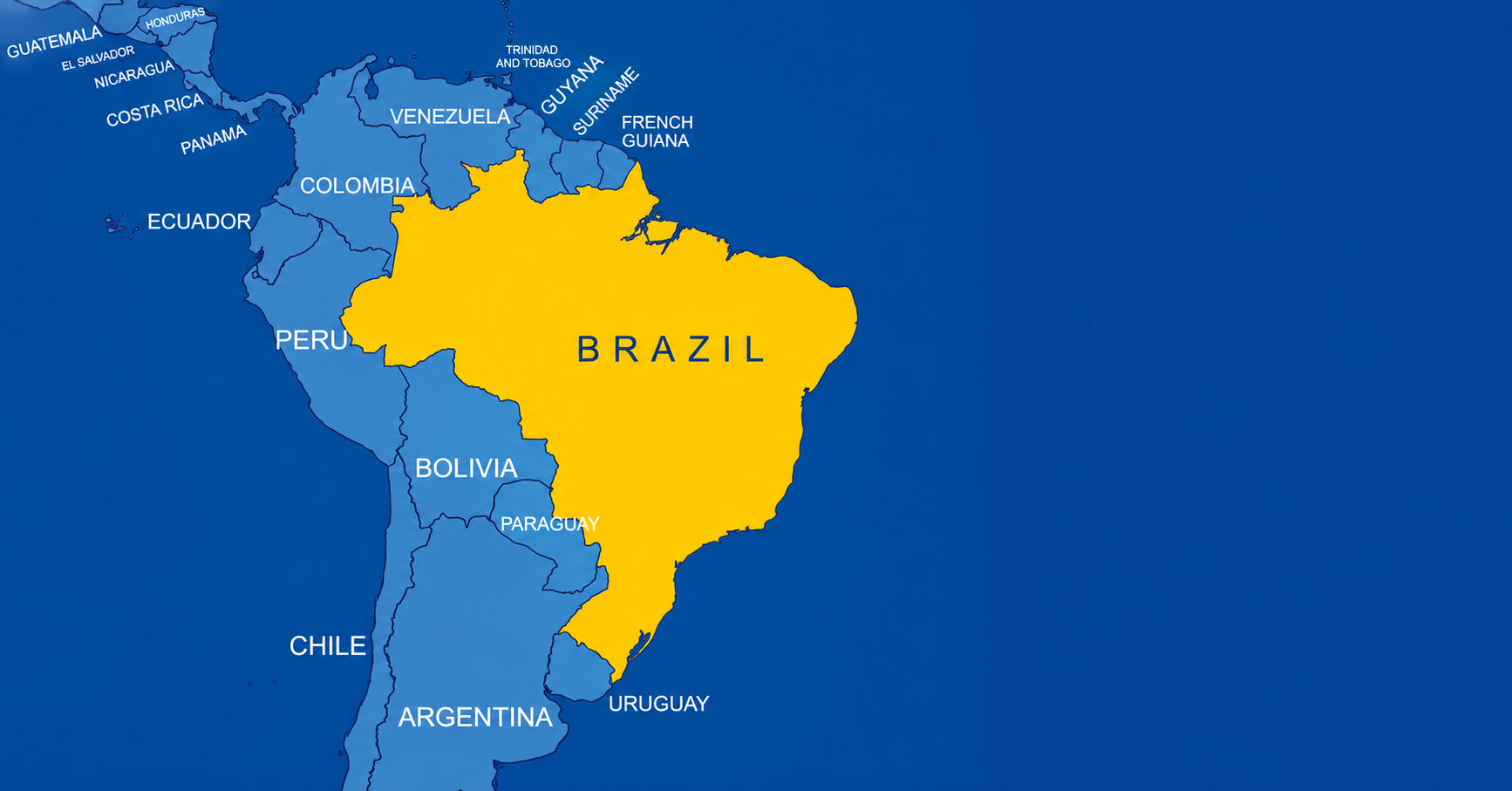
The fact that Argentina and 11 other Latin American countries are part of the WTO Joint Declaration on Electronic Commerce reinforces the importance of having indicators of this type. The commitment to negotiate global rules can thus be complemented by precise diagnoses, guiding policies that accelerate the region's integration into the global digital economy.
To delve deeper into the index's findings and methodology, the OECD shared the publication in September 2025, Available below: https://www.oecd.org/en/publications/the-oecd-index-of-digital-trade-integration-and-openness-indigo_623087f9-en.html

Aduana News is the first Argentine customs newspaper to launch its digital version. With 20 years of experience, its publications and initiatives aim to provide the most relevant knowledge on customs issues in order to contribute to safe trade in the region.