The Organization for Economic Cooperation and Development (OECD) has recently updated its Trade Facilitation Indicators, revealing progress in improving border processes through 2024. Since 2022, countries have made significant progress in streamlining procedures and simplifying cross-border processes, which is essential for ensuring the efficiency, security, and adaptability of global supply chains. This report is published as part of the latest OECD edition, entitled OECD Trade Facilitation Indicators: Monitoring Policies, launched on March 24, 2025.
Borders and bureaucracy
New data indicates that border bottlenecks and bureaucracy have been reduced on average between 1990 and 2000.n 3% and 7% in several regions: Asia-Pacific (4,4%), Europe and Central Asia (3,1%), the Americas (4,4%), the Middle East and North Africa (4,7%), and Sub-Saharan Africa (6,5%). This improvement is the result of reforms and initiatives aimed at keeping supply chains agile and adapted to new global trade patterns.
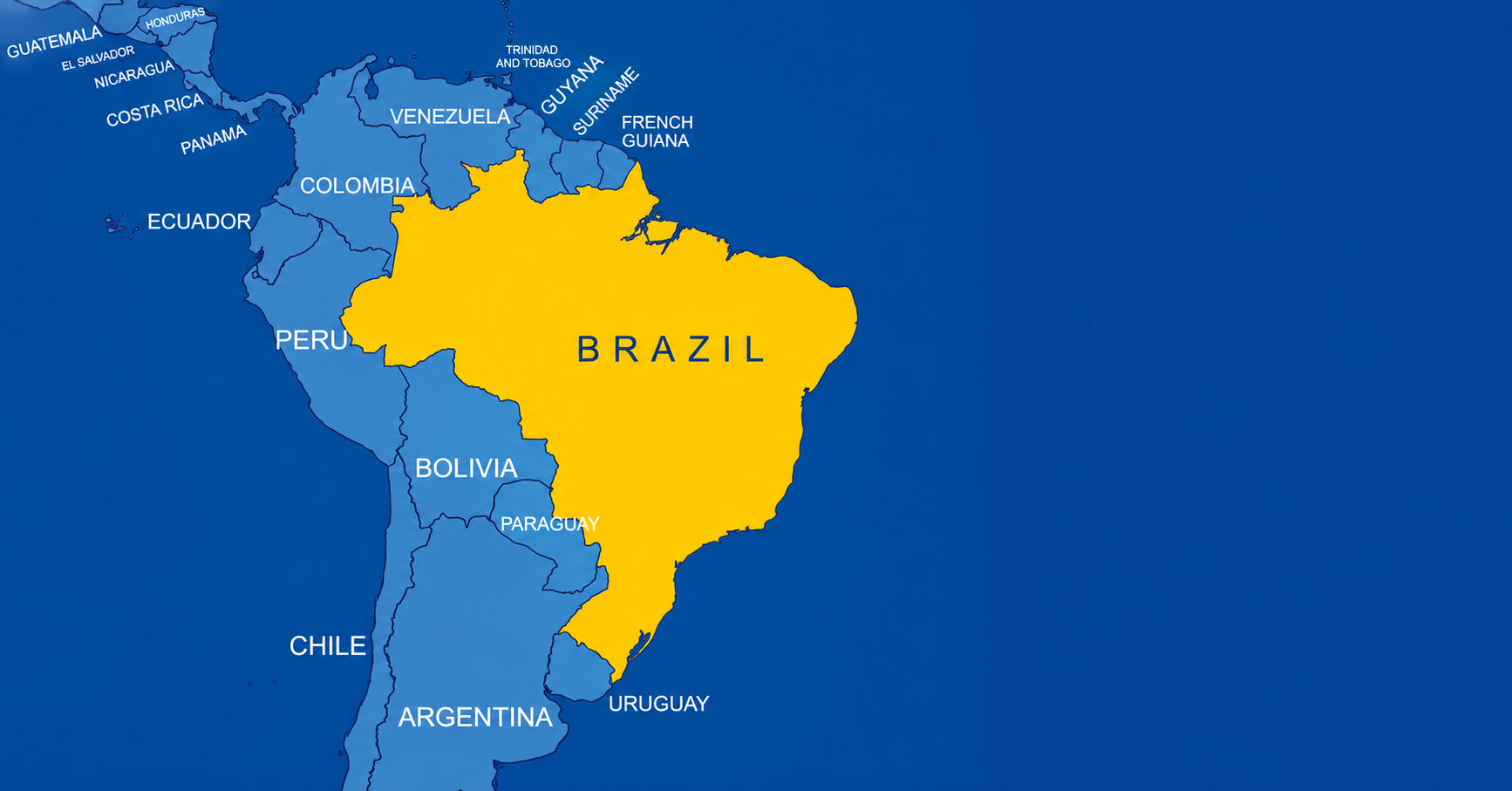
In the region of the Americas, the countries that have led the reforms in 2024 are Jamaica, Nicaragua, Guatemala, Ecuador, Costa Rica, El Salvador, Honduras, Dominican Republic, Trinidad and Tobago, and Paraguay. These countries have made significant progress in improving their customs and border processes, contributing to greater efficiency in cross-border trade.
Among the countries with the best performance in the region are: United States, Canada, Costa Rica, Chile, Mexico, Colombia, Peru, Brazil, Panama, and Uruguay. These countries have implemented reforms that have streamlined customs procedures, improved cooperation between national and cross-border agencies, and reduced bureaucracy, allowing for greater trade flow.
Approximately two-thirds of the economies in the Americas have improved their performance in cooperation between national agencies and in streamlining procedures. Furthermore, one in three countries has improved cross-border cooperation between agencies, a key area for trade facilitation in the region.
However, the indicators also show areas of more heterogeneous performance in the region, such as advance rulings, cross-border cooperation between agencies, and process automation, areas in which some countries still face challenges.
Cooperation between agencies
At a global level, among the most notable advances is the cooperation between national and cross-border agencies, which has been consolidated as the main area of progress. However, this remains one of the most challenging to improveInstitutional and regulatory reforms within national borders have served as a basis for strengthening coordination between customs agencies and other border agencies, facilitating greater integration and collaboration in trade facilitation processes.
Transparency and automation
Another improvement is access to trade-related information, which is increasingly available online. Many economies are expanding the available information on advance rulings, applicable tariffs and charges, sanctions provisions, and trade-related legislation. These updates not only reduce administrative burdens but also help businesses anticipate and adapt to new trade policies.
Despite progress in trade facilitation, the OECD highlights that there is still Efforts are needed to close the gaps between regulatory frameworks and their practical implementation.Automating documents and processes remains a challenge, but initiatives such as certified operator programs and post-clearance audits are leading the way in simplifying border procedures. In this regard, the OECD emphasizes that "it is necessary to improve operational practices to optimize these advances."
As border processes are simplified and optimized, Trading costs have decreased, with an estimated reduction of up to 5% in the last decade, According to the OECD, the organization anticipates that, with the implementation of more ambitious reforms, these costs could be reduced by up to 12%, particularly benefiting key sectors of the digital and green economy, as highlighted in its most recent report on Trade Facilitation Indicators.
Access the publication: OECD Trade Facilitation Indicators: Monitoring Policies up to 2025.

Aduana News is the first Argentine customs newspaper to launch its digital version. With 20 years of experience, its publications and initiatives aim to provide the most relevant knowledge on customs issues in order to contribute to safe trade in the region.