Today, in international trade, there is concern among some customs agents, importers, exporters or other actors in the logistics chain, as to why there are special attention windows for Authorized Economic Operators -AEO-, or why they have priority processes, generating interest in how to obtain these benefits for their international trade operations. For the above, in this article I invite you to learn more about the figure of the Authorized Economic Operator and how the actors in the logistics chain with good customs, legal, and tax compliance and who have an adequate security scheme, can earn this differentiated treatment in a due process.
Background of the Authorized Economic Operator figure
To begin, it is important to share that the origin of this figure dates back to the regrettable terrorist attacks of September 11, 2001, which reconfigured not only the mobility of people by air, but also the way of doing international trade, having its beginnings in the effort led by the Customs and Border Protection Office of the United States of America (CBP) and its Customs Trade Partnership Against Terrorism Program (CTPAT), in the fight against terrorism hand in hand with its Private Sector.
Following the terrorist attacks in Madrid in 2004 and London in 2005, the World Customs Organization (WCO) and all its members joined the anti-terrorist effort through its Regulatory Framework SAFE 2005, which within its Pillar II Customs – Business, creates the figure of the Authorized Economic Operator (AEO), which is the name in English Authorized Economic Operators (AEO). Therefore, I clarify to our readers that when they hear or read the term AEO, they will know that it does not refer to the Organization of American States; to complement this, I share with you the WCO definition for the AEO figure:
“An AEO is a party involved in the international movement of goods in any capacity granted to it by or on behalf of a national customs administration that complies with WCO or equivalent security standards for the supply chain. AEOs may be manufacturers, importers, exporters, customs brokers, transporters, groupage freight forwarders, intermediaries, port, airport or terminal operators, integrated transport operators, warehouse operators, distributors or freight forwarders.”
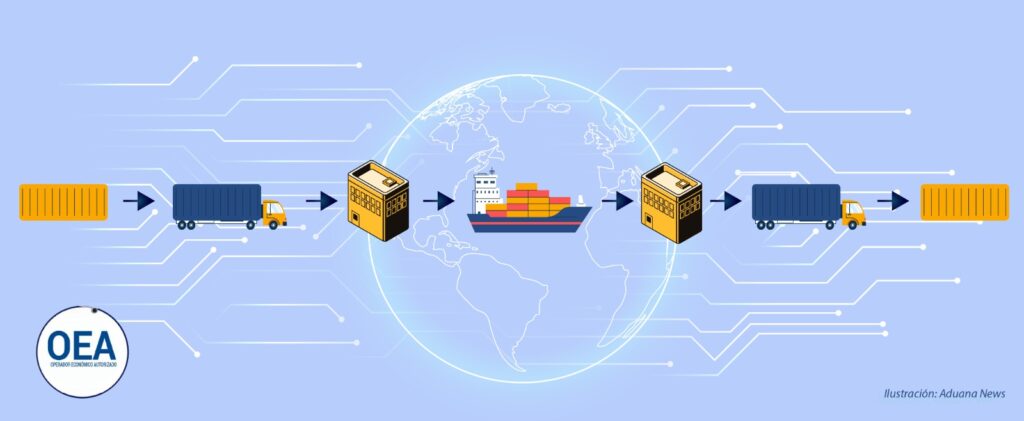
This definition allows us to be clear that it is not an issue exclusive to exporters and that more actors in the international logistics chain can be AEO, but that this decision will depend on each Customs Administration. According to Guatemala's experience, the best decision is to have a program where all actors in the logistics chain can be authorized as Authorized Economic Operators. For example, there are cases where an AEO importer uses an AEO customs agent, an AEO carrier and enters its merchandise through a Temporary Air Customs Warehouse that is also an AEO, guaranteeing the security of the process through a safer logistics chain. This also demonstrates the country's commitment to strengthen the security of the logistics chain, generating more confidence at a national and international level.
It is important to note that, without losing sight of the issue of security, with the help of the global leadership of the OMA and its members, the OAS figure has begun a path that has allowed it to create, strengthen and develop joint work between Customs and the Private Sector on other fronts of fundamental global importance, such as the fight against terrorism, drug trafficking, money laundering, fraud and smuggling, pest identification, among others; and has allowed Customs to support effective risk management models and strengthen collection of taxes on this figure.
For this reason, at a global level, the international support of the AEO figure is reflected in the WCO SAFE Regulatory Framework and in the World Trade Organization's Trade Facilitation Agreement and at the national level of each of the countries that have implemented the Authorized Economic Operator figure, developed by each one in its customs legislation on the figure of the Authorized Economic Operator, leaving the special case of Central America, for example, where the figure is developed in the Central American Uniform Customs Code -CAUCA- and its Regulations -RECAUCA-, which guarantees to all those interested in becoming AEO, that everything is developed on the basis of the current international and national legislation of each country.
I would like to share information available on the work of the World Customs Organization on the figure of the Authorized Economic Operator.
Table of Contents
I. SAFE Regulatory Framework of rules to secure and facilitate global trade – 2021 edition (in Spanish), which can be consulted on the website of the World Customs Organization, https://aeo.wcoomd.org/ .
II. Instruments and guidelines related to pillar II (Customs – Company and Authorized Economic Operator).
- OEA Implementation and Validation Guide.
- OAS Compendium – 2020 edition.
- Model OAS appeal procedures.
- The Authorized Economic Operator and Small and Medium-sized Enterprises.
- Strategy Guide for Mutual Recognition of OAS.
- Frequently asked questions on the links between the SAFE Authorized Economic Operator program and Article 7.7 of the WTO Trade Facilitation Agreement (TFA).
- NEW – Note from the Secretariat on the extension of the concept of Authorised Economic Operator to cross-border electronic commerce (2nd edition).
- NEW – Note from the Secretariat on the expansion of the AEO concept to Free Trade Zone stakeholders (2nd edition).
- NEW – OAS Compendium online.
As you can see, there is a very important global effort led by the WCO, so that the AEO figure can advance in accordance with the new realities of international trade, for which reason, I would like to take this opportunity to highlight the importance of Customs Administrations and Private Sectors joining the following proposals that seek to be included in the SAFE 2025 Regulatory Framework:
- Having a code of conduct as a requirement for AEO authorization, since we are convinced that without integrity there can be no security, this new requirement is aligned with the WCO Revised Arusha Declaration and will strengthen the alliance between Customs Services and the Private Sector on the issue of integrity.
- Detection of visible pests in containers as a requirement in the container verification process in the loading and unloading of goods, in the reality that we are countries where the protection of our ecosystems becomes a matter of national security and we must all join this effort.
- Verification and confirmation that every process in the logistics chain is carried out free of processes involving forced labor, in accordance with the commitments signed by our countries and as a way of ensuring that we all compete on equal terms.
The above new requirements promoted by the WCO SAFE Working Group allow Customs Services and Private Sectors of legitimate trade to move forward hand in hand, forming a giant secure logistics chain for international trade, in line with the new realities and challenges of international trade.
And I know that many want me to return to the subject of benefits, so I want to clarify that the application of benefits is established in the national legislation created for the OAS figure of each country, so it is necessary that according to the country where you are, you can consult the benefits that your Customs Administration applies and that these benefits are related and depend on the type of actor in the authorized logistics chain. The benefits are different for each actor, for example, those of an importer to that of a customs agent, those of importers and exporters are broader, since they are the ones who have a responsibility and direct management of the merchandise.
It should be noted that, in addition to the benefits granted by Customs Administrations, the authorization allows them to increase their competitiveness in the global market, which transcends its benefit through the Mutual Recognition Arrangements ARM on the figure of the Authorized Economic Operator, which are signed bilaterally or multilaterally by Customs Administrations, allowing their authorized AEOs to be recognized by each other and AEO exporters to obtain benefits upon their arrival in the countries of the other signatory Customs Administrations.
It is important to share that, in order to reach an MRA on the AEO figure, in accordance with the best practices promoted by the WCO and the WTO, if it is a bilateral negotiation, the Customs Services carry out a comparative study of the customs legislation and procedures of their AEO programs, after determining their compatibility, a series of technical visits are made where companies in the process of AEO authorization are visited in each country and it is confirmed that the AEO verification processes are compatible. It is until that moment when a total compatibility of processes is confirmed, advancing the signing of an MRA on the AEO figure.
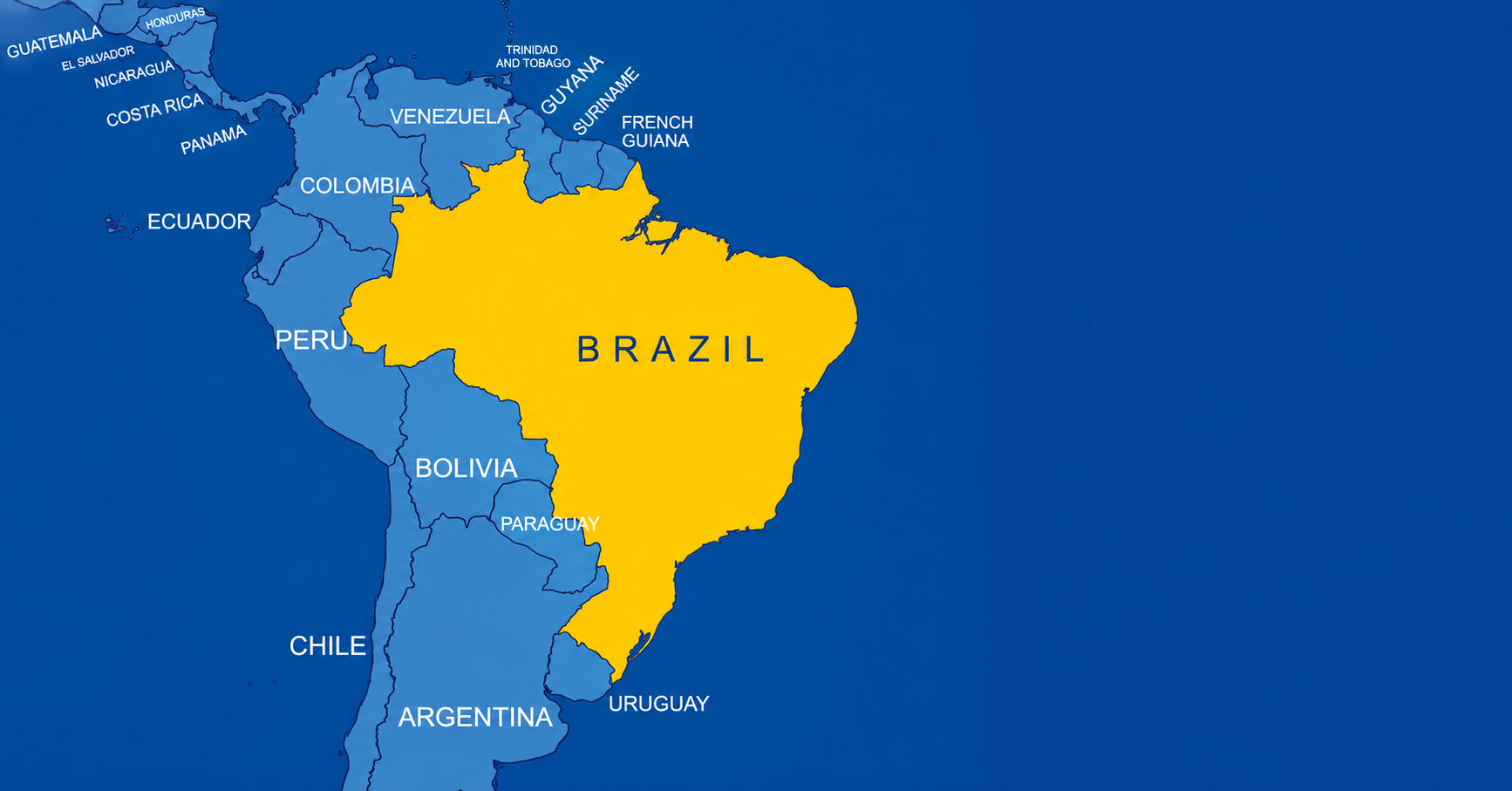
It should also be noted that in the Americas and the Caribbean region, there is the Mutual Recognition Arrangement on the OAS figure with the most signatory Customs Administrations globally: Argentina, Brazil, Bolivia, Chile, Costa Rica, Colombia, Guatemala, Paraguay, Peru, the Dominican Republic and Uruguay; an initiative that was a priority and one of the most important during my tenure as Vice President of the World Customs Organization of the Americas and the Caribbean, which allows us to strengthen trade between our countries and generate the most solid logistics chain globally. You can imagine the deployment and commitment of each of these Customs Services to achieve this signature, highlighting the support received from the Global Alliance for Trade Facilitation, which allowed technical visits by OAS teams to each participating country.
For the above reasons, I invite the Customs Administrations of our region to continue to maintain global leadership on the figure of the Authorized Economic Operator and on Pillar III in the relationship between Customs and Other Border Control Entities of the WCO SAFE Regulatory Framework, and to add the Ministries of Agriculture, Security and Health to our AEO programs, which will allow us to strengthen the security and facilitation of trade in our countries with integrated security schemes. It is worth mentioning that currently the four Customs Administrations that have this scheme globally are: Colombia, Guatemala, Paraguay and the Dominican Republic.
Finally, I would also like to invite the Private Sector of our region to advance in their AEO authorization processes and take advantage of the efforts that their Customs Administrations have made in the implementation of this figure supported by the WCO and the WTO. Join secure logistics chains and experience benefits in your international trade operations, earn the right to be VIP actors of your Customs Services, reducing time and costs in your International Trade operations.

Deputy Minister of the Ministry of the Interior since January 15, 2024
and was Superintendent of Customs of the Superintendency of Administration
Tax Authority -SAT- for 7 years and 9 months. He was Regional Vice President
of the World Customs Organization for the Americas and the Caribbean
from July 01, 2020 to June 30, 2022.
He holds a degree in Legal and Social Sciences from the University
Rafael Landívar. He has 3 master's degrees in Politics, Public Security, as well as
of Integration and Development, is a graduate of the Senior Management Program of
INCAE Business School. He is a professor at the Faculty of Political Sciences of
Rafael Landívar University, at the master's and bachelor's levels.
In the Ministry of the Interior he will be in charge of strengthening the
security at borders, seaports and airports with special
emphasis on anti-narcotics, immigration and smuggling issues.
He has extensive experience in Central American integration,
analysis of information and inter-institutional coordination, thanks to the
management carried out both in the public sector and in Organizations
International in his more than 22 years of professional career.